

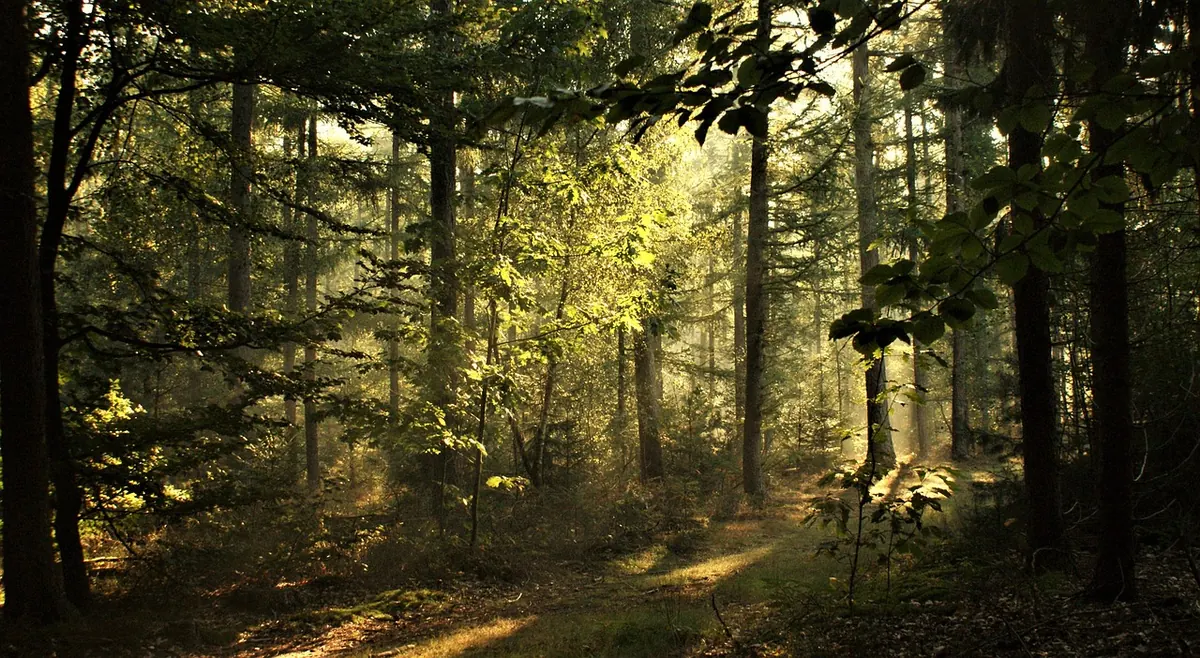


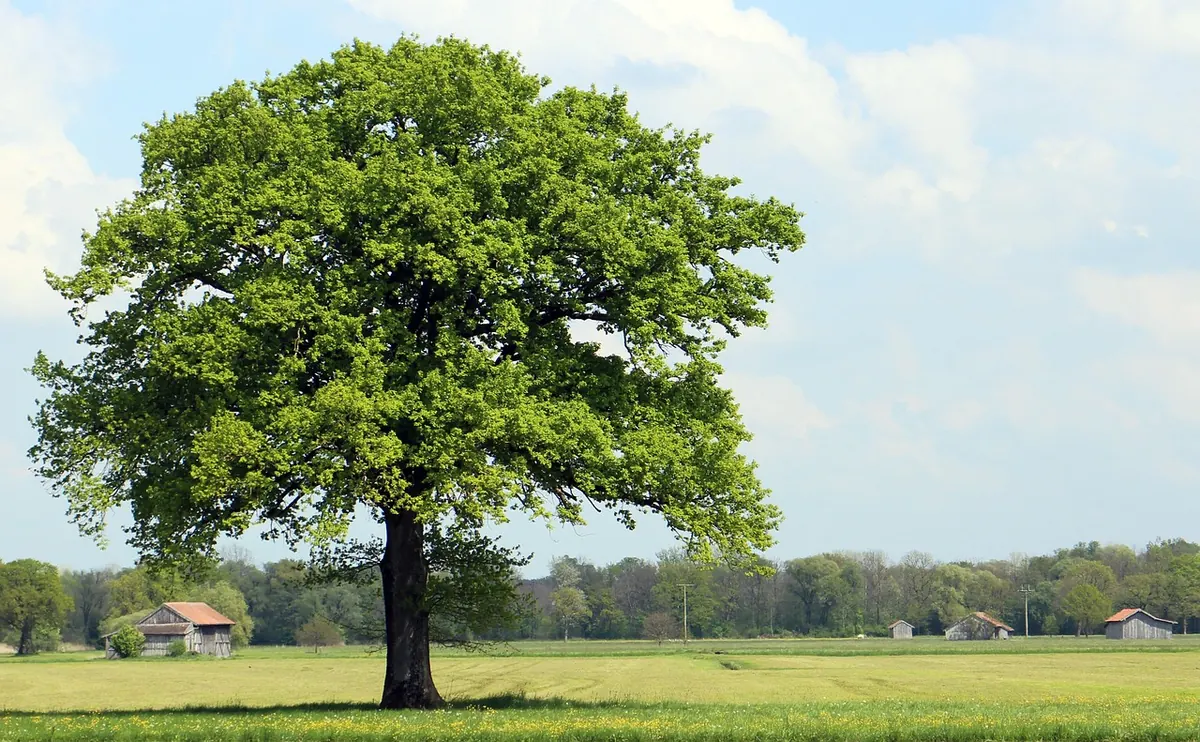
There is a particular kind of attention that only arrives on the second visit. The first time you stand in front of a tree, you see a tree: trunk, branches, leaves, done. The second time, you see what has moved since. A bud that was tight has split. The bark on the south side has dried out. Something has been eating the leaves at head height. That shift — from looking at a tree to reading one — is what a year-long tree journal is for, and it costs about twenty minutes a month.
Why One Tree, Not a Whole Forest
A forest journal tempts you into breadth. You name things, tick them off, move on. It is satisfying for a while and then it thins out, because naming is not the same as knowing. A single tree forces depth. You cannot escape into the next specimen when this one is dull, and every tree is dull for part of the year. That dull stretch is where the good notes are.
There is also a practical argument. A tree you visit forty times will show you things no field guide can: the exact week the first leaf unfurls, which branch leafs out first, where the woodpecker returns, how the ground beneath dries and cracks in August. You end up with a small, specific, local record. Multiply that by a few years and you have something genuinely useful, at least to you.
Choosing the Right Tree
Proximity beats beauty. Pick a tree within a ten-minute walk of your door, or on a route you already travel — the walk to the bus stop, the school run, the loop you take on Sunday mornings. The best tree for this project is the one you will still visit in February when it is raining sideways and you have no particular enthusiasm for anything.
Access matters too. Public footpaths, park trees, the edges of accessible woodland and your own garden are all straightforward. If a tree sits on private land, ask before you make a habit of standing under it with a notebook; most people say yes, and a short conversation saves an awkward one later.
Then a few practical filters:
- Choose a mature tree rather than a sapling. Mature trees have more going on — cavities, dead wood, lichen, roots lifting the ground — and they are easier to relocate.
- Fix a landmark in your notes: the third oak past the gate, the one leaning over the stile, twelve paces from the bench. Photograph the approach as well as the tree.
- Avoid hollows and boggy ground. You want to reach it in January without waders.
- If you can, pick a species you can identify confidently, or one you are happy to learn slowly. Getting stuck on identification kills the habit faster than bad weather.
- Backup plan: a tree visible from a window counts. On the days you cannot get out, you can still make a note.
Building a Visit Schedule That Survives the Year
Schedules fail when they are ambitious. Yours should be built around a baseline you can hold, with extra visits layered on when the tree is actually doing something.
- Monthly baseline. One visit a month, ideally in the same week. Twelve visits is a low bar, and it is enough to catch the shape of the year.
- Weekly in two windows. Early spring and mid-autumn move fast. A week of mild weather can transform a bare crown, and leaf fall can be over before you have noticed it starting. Book these weeks loosely in advance.
- Extra visits after events. The first hard frost, the first proper snow, a night of gale-force wind, the end of a dry spell. These are the days that produce the most interesting pages.
- Same time of day where possible. It makes comparison honest. Late afternoon light on the same trunk tells you more than a random hour each month.
Miss a month? Do not restart, and do not pretend it did not happen. Write the gap down and pick up where you left off. A journal with honest holes in it is more useful than one abandoned for being imperfect.
What to Put on the Page
Keep the core of each entry identical so the pages can be compared later. A numbered routine helps when you are cold and in a hurry.
- Date, time, weather, and rough temperature. One line.
- A wide photograph from the same fixed spot each visit, plus one close-up of whatever has changed most.
- The trunk: girth if you are measuring, bark texture, any new damage, cracks, fungi, sap runs.
- Twigs and buds, even in winter when there is nothing else to see.
- Leaves: size, colour, holes, curling, the state of the ones on the ground.
- The ground beneath: litter depth, seedlings, footfall, anything growing in the drip line.
- Inhabitants — birds, insects, galls, squirrel damage — and one line answering: what surprised me today?
That last line is the one that keeps the project alive. It trains you to look for the thing you did not expect rather than confirming what you already know.
The Four Seasons of a Single Tree
The same tree asks different questions at different times of year. Adjust your attention accordingly.
Winter: reading the skeleton
Bare branches are not empty. Buds are already set, and their position and shape tell you a great deal about what is coming. Note the silhouette, the branching pattern, the colour of the bark when wet versus dry, the lichen and moss on the sheltered side. Snow shows you the shape of the crown in a way leaves never do, and tracks in the snow around the trunk will tell you who else is visiting. Twigs snapped off by wind or animals are worth recording; so is the first sign of swelling on the sunniest side.
Spring: the rush
This is the season to visit often and write fast. Record the order of events rather than the beauty of them: buds breaking, first leaf unfurling, first flower, first insect. Which branch leads? Does the tree leaf out from the top down or the outside in? Compare the leaves as they emerge — soft, pale, often reddish — with the leaves of a month later. Note dates precisely. Two years of budburst dates on the same tree is the beginning of a real local record.
Summer: slow looking
Summer is when most journals die, because nothing dramatic appears to happen. Counter that by moving your attention to smaller scales: the underside of leaves, galls, leaf mines, the pattern of shade on the ground, the way the crown moves in wind. Check for drought stress — curled leaves, early yellowing, dusty bark. Look at what shelters in the crown. Measure if you like; girth at chest height, using the same string and the same height each time, gives you a number you can compare across years.
Autumn: the inventory
Autumn rewards weekly visits. Note the order in which the tree turns — which branches change first, whether colour starts at the edges or the centre. Record leaf fall in quarters: a quarter down, half, three quarters, bare. Collect a few leaves and press them, or simply trace one and write the date on the page. Note seeds and mast, fungi at the base, and how the litter layer builds. The day it goes bare is worth marking properly.
Comparing Pages Across the Year
Once every few months, spread the entries out. Read them in order rather than dipping in. You will start to see a shape: the long nothing of January, the sudden acceleration in April, the plateau of July, the long unravelling of October.
A single summary page helps — a simple table of dates and events, running down the year. First bud swell. First leaf. Full leaf. First flower. First colour. Half bare. Fully bare. Add anything else you tracked: first frost damage, first snowfall on the branches, the week the ground beneath dried out. Keep this page loose so you can add to it next year, and the year after. Comparing two springs on the same tree is a genuinely absorbing thing to do, and it costs you nothing but consistency.
Keeping It Going
Use a notebook you are not afraid to ruin. A cheap pocket-sized one lives in a coat pocket without anxiety; a beautiful hardback one stays on a shelf because you do not want to spoil it. Write in pencil in wet weather. Do the writing in the field, standing up, before you warm up and lose the details — ten minutes of scrawled notes beats a tidy page composed at the kitchen table from memory.
If you fall behind, catch up with a single page rather than trying to reconstruct everything. The tree is not marking you. It will still be there next month, and the month after, and the interesting part is not the perfect record but the returning.
Photo: Antranias / Pixabay
Related posts
More stories you’ll love reading